
 Little Miss Sunshine2006 · 102 minAdmit one · ★ 7.7
Now showing
CinemaPlex: eight screens of films to watch at home, from Jurassic Park, Notting Hill and The Social Network to Wonder, Paddington and Sing Street, and where to watch them
176 films on eight screens, each with its cast, its running time and a Watch now button.
Screen 1
Comedy
Full programme · 16 filmsLittle Miss Sunshine2006 · 102 minAdmit one · ★ 7.7 Liar Liar1997 · 86 minAdmit one · ★ 6.7
 Ferris Bueller's Day Off1986 · 103 minAdmit one · ★ 7.6
 17 Again2009 · 102 minAdmit one · ★ 6.3
 Chef2014 · 114 minAdmit one · ★ 7.1
 Daddy's Home2015 · 96 minAdmit one · ★ 6.3
 National Lampoon's Christmas Vacation1989 · 97 minAdmit one · ★ 7.2
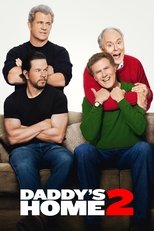 Daddy's Home 22017 · 100 minAdmit one · ★ 6.3
 My Big Fat Greek Wedding2002 · 95 minAdmit one · ★ 6.5
Screen 2
Romance
Full programme · 35 films To All the Boys I've Loved Before2018 · 100 minAdmit one · ★ 7.6
 The Kissing Booth2018 · 105 minAdmit one · ★ 7.2
 Notting Hill1999 · 124 minAdmit one · ★ 7.3
 Hitch2005 · 118 minAdmit one · ★ 6.6
 The Holiday2006 · 136 minAdmit one · ★ 7.1
 The Kissing Booth 22020 · 132 minAdmit one · ★ 7.6
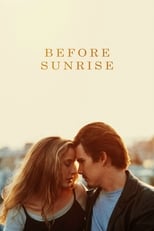 Before Sunrise1995 · 101 minAdmit one · ★ 8.0
 One Day2011 · 107 minAdmit one · ★ 7.4
 What Women Want2000 · 127 minAdmit one · ★ 6.5
Screen 3
Drama
Full programme · 17 films The Social Network2010 · 121 minAdmit one · ★ 7.4
 A Beautiful Mind2001 · 135 minAdmit one · ★ 7.9
 The Terminal2004 · 128 minAdmit one · ★ 7.4
 The Breakfast Club1985 · 98 minAdmit one · ★ 7.7
 Rain Man1988 · 134 minAdmit one · ★ 7.7
 Lion2016 · 118 minAdmit one · ★ 8.0
 The Founder2016 · 115 minAdmit one · ★ 7.2
 Steve Jobs2015 · 123 minAdmit one · ★ 6.8
 Joy2015 · 124 minAdmit one · ★ 6.6
Screen 4
Family
Full programme · 24 films Wonder2017 · 113 minAdmit one · ★ 8.1
 Hachi: A Dog's Tale2009 · 93 minAdmit one · ★ 8.0
 Marley & Me2008 · 115 minAdmit one · ★ 7.2
 A Dog's Purpose2017 · 100 minAdmit one · ★ 7.6
 The Princess Diaries 2: Royal Engagement2004 · 113 minAdmit one · ★ 6.7
 A Cinderella Story2004 · 95 minAdmit one · ★ 6.6
 Mr. Popper's Penguins2011 · 94 minAdmit one · ★ 6.0
 Mr. Bean's Holiday2007 · 90 minAdmit one · ★ 6.4
 Jingle All the Way1996 · 89 minAdmit one · ★ 6.1
Screen 5
Adventure
Full programme · 22 films Home Alone 2: Lost in New York1992 · 120 minAdmit one · ★ 6.8
 The Secret Life of Walter Mitty2013 · 114 minAdmit one · ★ 7.2
 Hugo2011 · 126 minAdmit one · ★ 7.2
 Paddington2014 · 95 minAdmit one · ★ 7.1
 The Fall Guy2024 · 127 minAdmit one · ★ 6.9
 Bean1997 · 89 minAdmit one · ★ 6.5
 Gulliver's Travels2010 · 85 minAdmit one · ★ 5.2
 Stuart Little 22002 · 78 minAdmit one · ★ 5.8
 The Christmas Chronicles2018 · 104 minAdmit one · ★ 7.2
Screen 6
Fantasy and science fiction
Full programme · 21 films Jurassic Park1993 · 127 minAdmit one · ★ 8.0
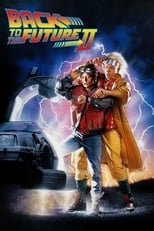 Back to the Future Part II1989 · 108 minAdmit one · ★ 7.8
 Jumanji1995 · 104 minAdmit one · ★ 7.2
 Jumanji: The Next Level2019 · 123 minAdmit one · ★ 6.9
 Groundhog Day1993 · 101 minAdmit one · ★ 7.6
 The Jungle Book2016 · 106 minAdmit one · ★ 6.9
 Cinderella2015 · 105 minAdmit one · ★ 6.8
 Star Trek Beyond2016 · 122 minAdmit one · ★ 6.8
 Night at the Museum: Secret of the Tomb2014 · 98 minAdmit one · ★ 6.2
Screen 7
Music
Full programme · 22 films Grease1978 · 110 minAdmit one · ★ 7.4
 Mamma Mia!2008 · 108 minAdmit one · ★ 7.0
 Pitch Perfect 22015 · 115 minAdmit one · ★ 6.8
 High School Musical2006 · 98 minAdmit one · ★ 6.5
 Elvis2022 · 159 minAdmit one · ★ 7.4
 High School Musical 22007 · 111 minAdmit one · ★ 6.5
 High School Musical 3: Senior Year2008 · 112 minAdmit one · ★ 6.5
 Mamma Mia! Here We Go Again2018 · 114 minAdmit one · ★ 7.1
 Mary Poppins Returns2018 · 131 minAdmit one · ★ 6.5
Screen 8
Sport
Full programme · 19 films Moneyball2011 · 134 minAdmit one · ★ 7.3
 King Richard2021 · 144 minAdmit one · ★ 7.6
 Air2023 · 112 minAdmit one · ★ 7.3
 Cool Runnings1993 · 98 minAdmit one · ★ 7.0
 Eddie the Eagle2016 · 106 minAdmit one · ★ 7.2
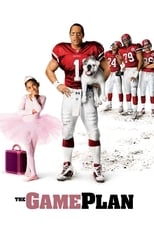 The Game Plan2007 · 110 minAdmit one · ★ 6.5
 Tooth Fairy2010 · 101 minAdmit one · ★ 5.5
 Trouble with the Curve2012 · 111 minAdmit one · ★ 7.0
 The Art of Racing in the Rain2019 · 109 minAdmit one · ★ 8.1
The CinemaPlex programme notes
CinemaPlex: eight screens of films to watch at home, from Jurassic Park, Notting Hill and The Social Network to Wonder, Paddington and Sing Street
There is a particular pleasure in standing in the foyer of a big cinema and reading the boards. Screen 1 has the comedy everyone is talking about, Screen 4 a film for the children, Screen 7 a musical, and the only difficulty is choosing. CinemaPlex brings that foyer home. It is a guide to 176 films released between 1978 and 2024, the work of 150 directors and 315 hours of entertainment, arranged on eight screens: Comedy, Romance, Drama, Family, Adventure, Fantasy and science fiction, Music and Sport. Every film has a page with its cast, its director, its running time, its rating, a summary, and a button that leads to the official services where it can be watched.
The programme was chosen by hand with a mixed household in mind, and each film has been given a single home so that the screens are easy to tell apart. Screen 2, Romance, is the largest with thirty-five films. Screen 4, Family, has twenty-four. Screens 5 and 7, Adventure and Music, have twenty-two each, Screen 6, Fantasy and science fiction, twenty-one, and Screen 8, Sport, nineteen. Screen 3, Drama, shows seventeen films and Screen 1, Comedy, sixteen. Two special seasons run alongside, twelve films for Christmas and twenty-five true stories, and a board by the box office lists the twenty-nine highest rated.
These programme notes take the screens in order, as an usher would walk you down the corridor, then add a word on the stars, the directors and some ready-made double bills. Questions and answers come last. A first-time visitor can pick up the essentials on the page called how to watch with CinemaPlex.
How CinemaPlex works
The site looks like the place it is named after. A red band runs across the top with the marquee sign, cream with a row of gold bulbs, and the house motto beside it. The links in the band name the eight screens, and the one you are visiting is picked out in cream. Below, the page is the warm colour of a lobby wall.
On the home page each screen is announced by a black letterboard: a gold plate with the screen number, the name of the programme in white capitals, and a link to the full programme with the number of films. Under each board, a row of nine tickets slides sideways. A ticket is cream with a dashed tear line; the poster sits on the stub, and the main part carries the title, the year, the running time, the words Admit one and the rating. They are the nine most popular films on that screen, and the full programme behind the link shows the rest as a wall of tickets.
Press a ticket and the film has a page of its own. The poster, the title, the year, the running time and the rating come first, then a summary of the story, the director and the leading cast. Every name is a link that gathers that person's other films at CinemaPlex. Beside the red Watch now button is a menu of fifteen countries. Choose yours, press, and JustWatch opens with the subscription, rental, purchase and free services that carry the film there. CinemaPlex is the foyer and the usher; the services are the projection rooms, and they play the film with their own picture quality and subtitles.
The search field understands titles, people and years. Type Julia Roberts and six tickets appear. Type Spielberg and you receive three. Type 1993 and the films of that vintage year line up, a dinosaur park, a repeating February day and a Jamaican bobsled team among them. The page on finding a film describes every route. My List is your own book of tickets, kept in your browser on your device, and the My List page explains how to add to it, tidy it and save a copy.
Screen 1: Comedy
The first screen is the smallest, sixteen films, and every seat is a good one. Ferris Bueller's Day Off is its evergreen. A Chicago schoolboy with unshakeable confidence decides one spring morning that the day is too fine for lessons, borrows a friend's father's sports car and treats the city as his playground, pausing to lead a parade in song. John Hughes wrote and directed it in 1986, Matthew Broderick speaks straight to the audience, and the film's motto, that life moves fast and deserves a look around, has outlasted every fashion in it.
Little Miss Sunshine sends six members of one family, each with a private disappointment, eight hundred miles in a yellow van with a broken clutch so that the youngest can compete in a children's pageant. It is rated 7.7 and has one of the most joyful final scenes in modern comedy; some frank language makes it best for older viewers. Chef is its sunnier cousin: a restaurant cook, written, directed and played by Jon Favreau, loses his job, buys a battered food truck and drives it from Miami to Los Angeles with his young son, selling sandwiches and mending their friendship on the way.
Family comedy fills several seats. My Big Fat Greek Wedding introduces a groom to twenty-seven first cousins. Daddy's Home and its sequel set a mild stepfather against a dashing father, and National Lampoon's Christmas Vacation covers a suburban house in twenty-five thousand fairy lights. Liar Liar gives Jim Carrey a day on which every word must be true, and 17 Again returns a middle-aged man to his own school corridors.
Coming-of-age stories complete the programme. The Way Way Back spends a summer at a water park under the wing of its easygoing manager. Eighth Grade follows a shy girl through her last week of middle school with rare honesty. The Peanut Butter Falcon is a river adventure about a young man with Down syndrome who dreams of becoming a wrestler, and Morning Glory puts a tireless young producer in charge of a failing breakfast show. The Screen 1 guide lists all sixteen.
Screen 2: Romance
The largest screen has thirty-five love stories, and it could sell out every Friday. Its classics come from London. Four Weddings and a Funeral made Hugh Grant a star in 1994 as a charming Englishman who keeps meeting the same American at other people's ceremonies. Five years later the same writer, Richard Curtis, gave him a travel bookshop in Notting Hill, where the most famous actress in the world, played by Julia Roberts, walks in to buy a guidebook. One Day visits two friends on the same date every year for two decades.
America supplies the meet-cutes. In While You Were Sleeping, a lonely ticket clerk is mistaken for the fiancée of a man she has only admired from her booth. In Serendipity, two strangers reach for the same pair of gloves and decide to let fate arrange a second meeting. The Holiday has two women, one in Surrey and one in Los Angeles, swap houses for two weeks in December. Hitch stars Will Smith as a professional matchmaker, 27 Dresses a perpetual bridesmaid, and Sweet Home Alabama a New York designer with unfinished business down south.
Two films directed by Richard Linklater are among the highest rated in the building. Before Sunrise, at 8.0, follows a young American and a French student who step off a train together in Vienna and talk until morning. Before Sunset, at 7.8, finds them nine years later in Paris with eighty minutes before a flight. Little happens in either except conversation, and it is impossible to look away.
Younger audiences have their own row. Flipped, directed by Rob Reiner and rated 8.0, tells the story of two neighbours from the age of seven, first from his side and then from hers. To All the Boys I've Loved Before begins when a girl's secret letters are posted, and its two sequels are also on the programme, as are the three films of The Kissing Booth. Crazy Rich Asians takes a New York professor to Singapore to meet a family of dazzling wealth, and Up in the Air gives George Clooney a life lived entirely in airports until two women unsettle it. The Screen 2 guide sorts the programme by city and by mood.
Screen 3: Drama
Seventeen films play on the third screen, and many of them are about people who built something. The Social Network is the most watched: David Fincher's account of the founding of a website in a Harvard dormitory and the friendships it cost, driven by Aaron Sorkin's rapid dialogue. The Founder tells how a struggling milkshake-machine salesman, played by Michael Keaton, turned a California hamburger stand into a worldwide business. The computer pioneer Steve Jobs has two portraits, Steve Jobs, staged as three backstage conversations before three product launches, and Jobs, a more traditional biography. Joy follows a determined inventor from her kitchen to a television shopping channel.
The screen's Best Picture winners are both stories of the mind. Rain Man, from 1988, sends a selfish young car dealer across America with the older brother he has only just discovered, an autistic man with an astonishing memory; Dustin Hoffman and Tom Cruise make the journey unforgettable. A Beautiful Mind traces the life of the mathematician John Nash, played by Russell Crowe, through brilliance, illness and recovery, and is rated 7.9.
Lion holds a rating of 8.0. A five-year-old boy in India falls asleep on a train and wakes a thousand miles from home; adopted by a couple in Australia, he searches for his village twenty-five years later with the help of satellite maps. I Am Sam is the story of a father with an intellectual disability and the daughter he is determined to raise, and Pay It Forward of a schoolboy whose idea for making the world better spreads further than he knows.
Quieter pleasures round out the programme. Past Lives, the most recent drama here, follows two childhood friends from Seoul who meet again in New York after twenty-four years, and says a great deal with very few words. Julie & Julia cuts between the cook Julia Child in 1950s Paris and a young New Yorker working through her recipes half a century later. The Breakfast Club locks five very different students in a school library for a Saturday, The Terminal strands a traveller in an airport, and About a Boy teaches a comfortable bachelor that company has its rewards. The Screen 3 guide has them all.
Screen 4: Family
Screen 4 is where the booster seats are kept. Its twenty-four films are suitable for all ages, and three of them are among the best loved in the whole building. Wonder, rated 8.1, follows a ten-year-old boy born with a facial difference through his first year at school and shows the same year through the eyes of his sister and his new friends. Hachi: A Dog's Tale, rated 8.0, is based on the true story of a dog who walked to the railway station every afternoon to meet his master, and kept the appointment faithfully for years. Marley & Me is the life of a young couple told through the Labrador who chews his way through their furniture and into their hearts.
Dogs, in fact, could fill the screen by themselves. Beethoven is a St Bernard of heroic appetite, and A Dog's Purpose follows one loyal soul through several lifetimes. Other animals are close behind: a pig and a spider in Charlotte's Web, six penguins in a Manhattan apartment in Mr. Popper's Penguins, a very determined rodent in MouseHunt and a whole menagerie in We Bought a Zoo.
Comedies of household chaos are a tradition of the genre. Cheaper by the Dozen counts twelve children, Daddy Day Care a nursery run by two fathers who have lost their jobs, and Jingle All the Way one sold-out toy. Flubber bounces, The Flintstones rebuilds a cartoon town in stone, and Mr. Bean's Holiday sends the silent hero across France to the seaside. The most recent film on the screen, IF, imagines what becomes of imaginary friends when the children who invented them grow up.
Older children and teenagers have Diary of a Wimpy Kid, A Cinderella Story, The Lizzie McGuire Movie, What a Girl Wants and The Princess Diaries 2: Royal Engagement, in which a young queen-to-be has thirty days to find a husband and decides to rewrite the rule. The Screen 4 guide arranges the programme by age.
Screen 5: Adventure
The fifth screen shows twenty-two adventures, most of them set in our own world. The Secret Life of Walter Mitty is the widescreen experience of the programme. A shy picture editor at a magazine, played by Ben Stiller, who also directs, goes in search of a missing photograph and finds himself leaping into a helicopter in Greenland, skateboarding down an Icelandic road and climbing in the Himalayas. It is a film about a daydreamer who discovers that real life can be bigger than his dreams.
Two of the highest rated films in the building are here. Togo, at 8.1, tells the true story of a sled dog and his driver who ran the longest and most dangerous leg of a relay carrying medicine across Alaska in the winter of 1925. Hunt for the Wilderpeople, at 7.6, is Taika Waititi's comedy about a city boy and his grumpy foster uncle who become the subject of a national manhunt in the New Zealand bush.
Cities can be wildernesses too. Paddington arrives from Peru at a London station with a label round his neck. Hugo, directed by Martin Scorsese, lives inside the walls of a Paris railway terminus and winds its clocks. Home Alone 2: Lost in New York gives a ten-year-old the run of a grand hotel, and Bean entrusts a priceless American painting to the last man who should be near it.
The rest of the programme is cheerfully varied. The Fall Guy, from 2024, is a love letter to film stunt performers with Ryan Gosling and Emily Blunt. Bill & Ted's Excellent Adventure collects historical figures in a time-travelling telephone box for a school presentation. Inkheart gives a father the power to read characters out of books, Rat Race sets a crowd of strangers racing across the desert for a locker full of money, and RV takes Robin Williams and his reluctant family to the Rocky Mountains in a rented motorhome. The Screen 5 guide maps the journeys.
Screen 6: Fantasy and science fiction
Lights down on Screen 6, and anything can happen. The most popular film in the entire building is here: Jurassic Park, Steven Spielberg's 1993 adventure in which scientists invited to preview an island zoo of living dinosaurs find the fences less secure than promised. Its blend of full-size mechanical creatures and early computer animation still convinces, John Williams's theme still lifts the heart, and it is rated 8.0. It carries real suspense and suits older children and adults.
The eighties and nineties contributed a set of perfect high-concept comedies. In Big, a twelve-year-old makes a wish at a fairground machine and wakes up as Tom Hanks. In Groundhog Day, a weatherman lives the same February day over and over until he learns to live it well. Back to the Future Part II travels forward to a future of hoverboards and back again to repair the past, and Jumanji releases a jungle into a quiet New England town with every roll of the dice. Its much later sequel, Jumanji: The Next Level, is on the programme as well.
Storybooks account for many of the rest. The Jungle Book of 2016 surrounds one small boy with animals of astonishing realism. Cinderella, Dumbo, The BFG and Christopher Robin each give a childhood favourite a new life, The Golden Compass opens a world of armoured bears and talking companions, and The Chronicles of Narnia: The Voyage of the Dawn Treader sets sail for the edge of the map. Elf walks from the North Pole to New York in yellow tights.
Journeys into the unknown complete the bill: to the centre of the Earth, to a mysterious island, up the Amazon in Jungle Cruise and out among the stars in Star Trek Beyond. The Screen 6 guide separates the wishes from the voyages.
The wedding corner of Screen 2
Any cinema manager will tell you that weddings sell tickets, and Screen 2 has a whole corner of them. My Best Friend's Wedding gave Julia Roberts one of her boldest parts, a food critic who realises she loves her oldest friend four days before he marries someone else and sets out, with questionable tactics, to win him back; the scene in which a whole restaurant joins in a song is a classic. Runaway Bride reunites her with Richard Gere as a small-town woman who has left three grooms at the altar and the newspaper columnist sent to write about the fourth.
The Wedding Planner casts Jennifer Lopez as a San Francisco organiser who falls for the groom of her biggest client. Bride Wars sets two lifelong friends against each other when their ceremonies are booked for the same day at the same hotel, and 27 Dresses hangs every bridesmaid's outfit its heroine has ever worn in one overstuffed wardrobe. On Screen 7 next door, The Wedding Singer provides the music, with Adam Sandler at the microphone in 1985.
The same screen has a row of films drawn from popular novels of the heart. The Longest Ride links a young couple in North Carolina, an art student and a rodeo rider, with the story of a marriage that began in the 1940s, and holds a rating of 7.6. The Best of Me reunites two former sweethearts in their home town after twenty years. Water for Elephants is set in a travelling circus during the Depression, where a veterinary student falls for the star of the show, and Everything, Everything is about a girl who has lived her whole life indoors and the boy who moves in next door.
For the teenagers in the back row
Every multiplex has its regulars in the back row, and a good share of the programme is for them. The streaming romances of recent years are well represented: the three films that begin with To All the Boys I've Loved Before, the three of The Kissing Booth, The Perfect Date, in which a student builds an app that hires him out as a companion for any occasion, and Tall Girl, about the tallest student in a New Orleans high school learning to stand up straight.
The music screen offers Camp Rock, set at a summer school for young performers, Another Cinderella Story, which moves the fairy tale to a school dance contest, and Teen Beach Movie, where two surfers ride a wave into a musical from the 1960s. Screen 4 adds the makeover comedies A Cinderella Story and What a Girl Wants, and Screen 5 has Monte Carlo, in which three friends on a disappointing trip to Paris are mistaken for an heiress and her entourage. For something with more depth, the school stories on Screen 1 and Screen 3 are among the best ever made.
From the page to the screen
A great many of these films began as books, and families who read together can make a game of comparing the two. Children's literature supplies Paddington, Charlotte's Web, The BFG, Stuart Little 2, Diary of a Wimpy Kid, Inkheart, A Wrinkle in Time, The Golden Compass and the voyage to Narnia. Hugo comes from an illustrated novel in which the pictures tell half the story, and Wonder from a book now read in classrooms around the world.
The grown-up shelf is just as full. Jurassic Park was a bestselling thriller before it was a film. About a Boy is by the English novelist Nick Hornby, Up in the Air from a novel about life in airport lounges, and One Day from a love story that sold in millions. Marley & Me, Eat Pray Love, We Bought a Zoo and Lion are all based on memoirs, and Moneyball and The Social Network on works of reporting. Crazy Rich Asians began a trilogy of novels, and The Secret Life of Walter Mitty grew from a short story of only a few pages first published in 1939.
Where the films take you
One of the quiet pleasures of a film night is the travel. From a seat at CinemaPlex you can visit London many times over, in the romances of Screen 2, with two different bears, and with Mr Bean. Paris appears in Hugo, Before Sunset and Julie & Julia, Vienna in Before Sunrise, Rome in To Rome with Love, and a sunlit Greek island in the two films of Mamma Mia!. Eat Pray Love moves from Italy to India to Bali, and Crazy Rich Asians shows off the gardens, street food and skyline of Singapore.
Further afield, Lion crosses India and Tasmania, Hunt for the Wilderpeople the forests of New Zealand, Togo the frozen coast of Alaska and Jungle Cruise the Amazon. The Secret Life of Walter Mitty is practically a travel brochure for Iceland. America itself is seen from every angle: the Chicago of Ferris Bueller's Day Off and While You Were Sleeping, the New York of Big, Elf and Serendipity, the long desert roads of Rain Man and Little Miss Sunshine, and the small Pennsylvania town of Groundhog Day.
Choosing a screen by mood
The eight screens answer eight different evenings. If the day has been long and the household wants only to laugh, Screen 1 is the shortest walk and the surest bet. If someone needs cheering in a gentler way, the romances of Screen 2 are reliable company, and the Christmas season works in any month for those who like snow on screen. Screen 3 is for the nights when you would like to talk about the film afterwards.
When children choose, Screens 4, 5 and 6 are theirs: Family for the youngest, Adventure for those ready for a little peril, and Fantasy for anyone who enjoys a talking animal or a magic board game. Screen 7 is the choice for a group, since a musical is best with voices joining in, and Screen 8 for anyone who likes to see effort rewarded, even if the sport itself is new to them. Many households settle into a rhythm, one screen for each night of the week and the eighth for a matinee at the weekend.
Running times help with the decision too. Each ticket shows the length of the film, and they vary widely. A weeknight with school in the morning suits the films under an hour and forty minutes, such as Paddington, Flipped, Elf or Big. A Saturday can take the longer features: King Richard, Seabiscuit and A Beautiful Mind all run well over two hours and reward the time.
The repertory shelf: 1978 to 1999
Thirty films at CinemaPlex were released before the year 2000, and they are the repertory programme, the titles a cinema brings back because audiences keep asking. The eighties contribute eight. Besides the two John Hughes comedies and Big, there are Rain Man, Footloose, Back to the Future Part II, Bill & Ted's Excellent Adventure and National Lampoon's Christmas Vacation. They share a confidence and a warmth that later decades have often tried to recapture, and their soundtracks are a time capsule in themselves.
The nineties contribute twenty-one, and 1993 alone accounts for four of the best: Jurassic Park, Groundhog Day, Cool Runnings and The Sandlot. The decade was a golden age for the studio family film, with Beethoven, The Flintstones, Jumanji, Flubber, MouseHunt and Doctor Dolittle all built around elaborate practical effects and well-trained animals, and for the romantic comedy, which reached a peak between Four Weddings and a Funeral in 1994 and Notting Hill in 1999. Parents who saw these films as children will find that they play just as well to a new generation.
A word about John Hughes
One name deserves a paragraph of its own, because it appears in the credits of five films on four different screens. John Hughes directed The Breakfast Club and Ferris Bueller's Day Off in consecutive years and in doing so more or less invented the modern film about teenagers, one that takes their worries seriously and lets them be funny. As a writer and producer he then turned to family comedy, and his scripts lie behind National Lampoon's Christmas Vacation, Home Alone 2: Lost in New York and, under a pen name, Beethoven. Most of his stories are set in the suburbs north of Chicago where he grew up, and all of them share a belief that children see the adult world more clearly than adults suppose.
The newest arrivals
Fourteen films date from 2020 or later, and they show where popular cinema is heading. Several were made for streaming and found enormous audiences at home, among them the later chapters of the two teenage romance trilogies. Others were cinema releases that crossed quickly to the sofa: Jungle Cruise, Dolittle, Elvis, King Richard and Air. CODA made history as the first film from a streaming service to win Best Picture, and tick, tick... BOOM! introduced a new audience to the composer who would go on to write one of the most successful stage musicals of the 1990s.
Past Lives and The Fall Guy represent two ends of the current range, an intimate drama with three characters and a stunt-filled entertainment with a cast of hundreds, and both were among the most warmly received films of their years. The most recent family film on the programme, IF, was written and directed by John Krasinski and mixes live actors with animated creatures voiced by a remarkable list of guest stars. As new favourites establish themselves, they will take their places on the appropriate screens.
Making an evening of it
A cinema is more than its screens, and a little ceremony turns a film at home into an occasion. Choose the film before supper so that the whole evening is left for watching and the debate is settled early; My List is there for exactly that purpose. Dim the lamps, put the telephones in another room and make the popcorn while the opening credits wait. For a double bill, allow a ten-minute interval between features, as cinemas once did, and let the youngest member of the audience announce the second film. Some families print the week's programme and pin it to the kitchen door, one screen for each night. However you arrange it, the letterboards on the home page will always show what is playing, and every ticket leads to a place where the film can be watched with a clear conscience.
Screen 7: Music
Screen 7 has the best sound system in the building, and twenty-two films to show it off. The oldest film at CinemaPlex opens the programme: Grease, from 1978, in which a summer romance between a leather-jacketed charmer and a new girl from Australia has to survive the first term at an American high school of the 1950s. John Travolta and Olivia Newton-John sing songs that every audience since has known by heart.
The musical has stayed in fashion ever since. Mamma Mia! strings the songs of a Swedish pop group along the story of a bride on a Greek island who invites three men who might be her father; its sequel, Mamma Mia! Here We Go Again, tells her mother's story. The three High School Musical films, all directed by Kenny Ortega, made stars of Zac Efron and Vanessa Hudgens. Pitch Perfect 2 and Pitch Perfect 3 follow a college singing group that performs with voices alone, Mary Poppins Returns brings the nanny back to Cherry Tree Lane, and The Muppets reunites the gang to save their old theatre.
Three films tell the lives of real musicians. Ray follows Ray Charles from a childhood in the rural South to worldwide fame, with a performance by Jamie Foxx that won the Academy Award. Elvis, directed by Baz Luhrmann, is a dazzling two hours and thirty-nine minutes, the longest film on any screen, with Austin Butler as the singer and Tom Hanks as his manager. tick, tick... BOOM! stars Andrew Garfield as a young composer in New York racing to finish a musical before his thirtieth birthday.
The most affecting films on the screen are about finding a voice. CODA, which won the Academy Award for Best Picture, is the story of Ruby, the only hearing member of a deaf fishing family in Massachusetts, who discovers that she loves to sing; it is rated 7.9. Sing Street, also 7.9, follows a Dublin schoolboy who starts a band in 1985 to impress a girl and finds he is good at it. August Rush is a fairy tale about a boy who hears music in everything, Footloose brings dancing back to a town that had banned it, and Music and Lyrics pairs a faded pop star with a reluctant lyricist. The Screen 7 guide has the full playlist.
Screen 8: Sport
The last screen in the corridor shows nineteen films, and a good half of them take place off the field. Moneyball is set in the offices of a baseball club with a small budget, where a general manager played by Brad Pitt and a young economist rebuild the team with statistics. Air recounts how a shoe company in Oregon persuaded a young basketball player and, more to the point, his mother to sign with them in 1984. Draft Day spends twelve tense hours with the manager of a football team as he trades for new players.
True stories of champions fill the next row. King Richard is a portrait of the father who planned the tennis careers of his daughters Venus and Serena before they were born, with Will Smith in the title role. Cool Runnings follows four Jamaicans to the Winter Olympics in a borrowed bobsled, and Eddie the Eagle a short-sighted English plasterer to the same Games as a ski jumper. Seabiscuit is the undersized racehorse who lifted American spirits in the 1930s, Invincible the barman who earned a place with the Philadelphia Eagles, and Radio the young man who became the heart of a high school team.
Lighter fixtures include The Sandlot, a memory of a baseball summer rated 7.6; The Art of Racing in the Rain, narrated by a racing driver's dog and rated 8.1; The Game Plan, in which a star quarterback discovers he has a seven-year-old daughter; Wimbledon; Goal!; Whip It; and Ice Princess. The Screen 8 guide lists them by game.
Special seasons: Christmas and true stories
Like any good cinema, CinemaPlex runs seasons that draw films from several screens. The Christmas season has twelve. Elf, Home Alone 2: Lost in New York and National Lampoon's Christmas Vacation are the pillars; The Holiday and While You Were Sleeping supply the romance; The Christmas Chronicles takes two children for a ride in the sleigh; and Jingle All the Way, The Santa Clause 2, Christmas with the Kranks, Daddy's Home 2, Just Friends and The Nutcracker and the Four Realms complete a month of viewing. The Christmas guide suggests an order.
The true stories season gathers twenty-five films drawn from real lives. It ranges from mathematicians and inventors to musicians, athletes and two very faithful dogs, and it includes the cook of Julie & Julia, the painter of Big Eyes, whose husband took the credit for her work, and the traveller who inspired The Terminal. A true story usually takes a few liberties on its way to the screen, and reading about the real events afterwards is half the fun. The true stories guide groups the films by subject.
The stars on the posters
Walk the corridor and certain faces smile from poster after poster. Julia Roberts appears in six films, more than anyone else: the film star of Notting Hill, the scheming friend of My Best Friend's Wedding, the hesitant bride of Runaway Bride, the traveller of Eat Pray Love, an army captain on leave in Valentine's Day and the mother in Wonder. Dwayne Johnson has five, from the tutu of Tooth Fairy to the riverboat of Jungle Cruise.
Hugh Grant, Robin Williams, Emily Blunt, Amy Adams, Zac Efron and Vanessa Hudgens appear four times each. Grant's four span thirteen years of romantic comedy. Williams is by turns the lost boy of Jumanji, the absent-minded professor of Flubber and the harassed father of RV. Blunt is a nanny, an explorer, a film director and a princess of Lilliput. Tom Hanks has three very different parts, in Big, The Terminal and Elvis.
Among the directors, Steven Spielberg, Jon Favreau, Garry Marshall, Lasse Hallström, Brian Levant and Kenny Ortega have three films apiece. John Hughes directed two of the comedies and wrote several more of the family films, and his affectionate view of suburban childhood runs right through the programme. Each name on a film page is a link, and the guide to the stars offers a starting point for the most frequent.
Double bills
A multiplex makes double bills easy, and some pairs seem made for each other. Before Sunrise and Before Sunset together run for about three hours and cover nine years. Steve Jobs and Jobs show the same man through two very different lenses. The Breakfast Club and Eighth Grade are school stories made thirty-three years apart, and it is striking how much has changed and how little.
For a family afternoon, pair Paddington with Christopher Robin, two bears in London. For a night of song, follow Grease with Sing Street. Sports fans might set Moneyball beside Air for two stories of clever outsiders, and romantics Four Weddings and a Funeral beside Notting Hill. The double bills guide lists more, and My List keeps your chosen pair ready for the evening.
The board by the box office
Twenty-nine films hold a rating of 7.5 or higher from at least 250 voters. Three lead at 8.1: The Art of Racing in the Rain, Togo and Wonder. Five follow at 8.0: Lion, Flipped, Hachi: A Dog's Tale, Jurassic Park and Before Sunrise. CODA, A Beautiful Mind and Sing Street stand at 7.9, and Before Sunset and Back to the Future Part II at 7.8.
The remainder of the board, between 7.7 and 7.5, includes Rain Man, The Breakfast Club, Past Lives, Little Miss Sunshine, Hunt for the Wilderpeople, Groundhog Day, The Sandlot, King Richard, I Am Sam, Ferris Bueller's Day Off and Ray. Every one of the eight screens is represented, which says something for the balance of the programme. A rating is an average of many opinions; comedies and family films tend to score a little lower than dramas whatever their quality, so treat the board as a suggestion and the summary on each page as the deciding vote.
Five decades on eight screens
The programme spans forty-six years. A single film dates from the 1970s, eight from the 1980s and twenty-one from the 1990s; these are the titles that have earned their place by being watched again and again. The two-thousands contribute sixty-two films and the 2010s seventy, the heart of the catalogue, and fourteen come from 2020 onward, the newest being The Fall Guy and IF from 2024. The average film runs for an hour and forty-seven minutes. The shortest, Stuart Little 2, is over in seventy-eight, a useful length before bedtime.
A film page in detail
Take The Holiday as an example. The poster shows four smiling faces against the snow. Beside the title are the year 2006, a running time of 136 minutes and a rating of 7.1. The summary explains that two women with romantic troubles, one in the English countryside and one in California, exchange homes for a fortnight and each meets someone unexpected. Nancy Meyers is credited as director, and Cameron Diaz, Kate Winslet and Jude Law head the cast; pressing Winslet's name shows her other film in the building. Choose your country, press Watch now, and the services offering the film there appear with their prices. A second button tears off a ticket for My List.
Questions and answers
Questions
What is CinemaPlex?
CinemaPlex is a guide to 176 films arranged like a multiplex cinema with eight screens. Each film has a page with its cast, director, running time, rating and summary, and a Watch now button that opens the official services carrying it in your country.
What are the eight screens?
Screen 1 is Comedy, Screen 2 Romance, Screen 3 Drama, Screen 4 Family, Screen 5 Adventure, Screen 6 Fantasy and science fiction, Screen 7 Music and Screen 8 Sport. Each film is shown on one screen.
How do I watch a film?
Pick a ticket, set the country menu on the film page and press the red Watch now button. JustWatch then shows which subscription, rental, purchase and free services have the film where you are.
Which films are rated highest?
The Art of Racing in the Rain, Togo and Wonder lead at 8.1, followed at 8.0 by Lion, Flipped, Hachi: A Dog's Tale, Jurassic Park and Before Sunrise.
Is CinemaPlex suitable for families?
The programme was chosen by hand for a household audience, and Screen 4 holds twenty-four films for all ages. Each page carries a summary so that parents can judge a film for themselves.
Which screen has the most films?
Screen 2, Romance, with thirty-five films. Screen 1, Comedy, is the smallest with sixteen.
Are there Christmas films?
Yes. The Christmas season gathers twelve films from several screens, among them Elf, The Holiday and Home Alone 2: Lost in New York.
What is My List?
My List is a book of tickets for the films you want to see. The browser on your device keeps it for you, every press of the list button updates it straight away, and the list page lets you download a copy.
How old are the films?
The oldest is Grease from 1978 and the newest are from 2024. One hundred and thirty-two of the 176 were released between 2000 and 2019.
Where does the information come from?
Posters, ratings, casts and production details come from TMDB. The programme notes on this page and the fifteen help pages are written by the CinemaPlex editorial team.
